How to Create Smooth Color Transitions on Lycra with Fabric Spray Paint or Airbrush

A smooth fade on lycra looks effortless when it works. When it does not, it shows every splatter, hard edge, and blotchy patch as soon as the fabric stretches.
Lycra is less forgiving than cotton or canvas. It moves, reflects light, and can resist heavy paint layers. The goal is not to cover it like a wall. The goal is to tint the fibers in thin layers so the color shift stays soft, flexible, and even.
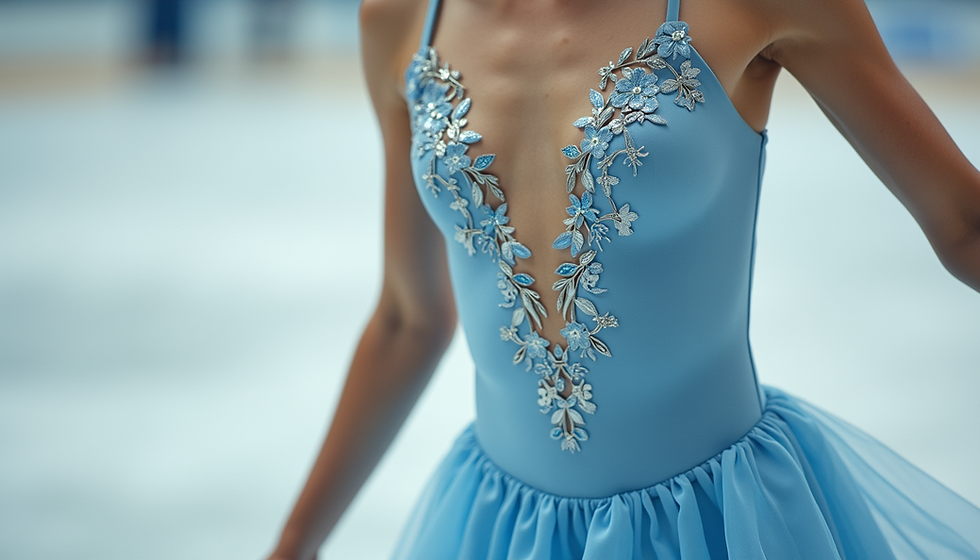
Fabric spray paint and airbrush paint can both create beautiful gradients on lycra. The best choice depends on the size of the piece, the level of detail, and how much control is needed. A figure skating dress, bodysuit, dance costume, cosplay suit, swimwear panel, or activewear accent can all benefit from the same basic method: stretch the fabric, build color slowly, and keep the paint moving.

Lycra needs thin color and controlled movement
Lycra, often blended with nylon or polyester, stretches and recovers. That stretch is exactly why thick paint becomes a problem. A heavy layer can crack, feel stiff, or sit on the surface instead of moving with the fabric.
A good gradient on lycra depends on three things:
Thin paint layers
Even fabric tension
Gradual overlap between colors
The overlap is where most beginners struggle. A smooth transition is not made by spraying one color up to a line, then starting the next color beside it. That creates a stripe. Instead, each color needs to fade out gently while the next fades in over the same area.
Think of the transition area as a shared zone. If the finished gradient moves from blue to purple to pink, the blue should lightly enter the purple area, and the pink should lightly enter it from the other side. The middle becomes a soft blend because the layers are transparent enough to mix visually.
Spray paint and airbrush tools behave differently
Fabric spray paint covers faster. It is useful for large areas, broad fades, and projects where a slightly misty texture is acceptable. It can also be harder to control, especially near the center of a transition.
An airbrush gives much more control. It can create subtle color shifts, fine shadows, and gentle feathering. It also takes more setup and practice.
Fabric spray paint works best for large panels, bold costume fades, and quick color blocking. It is easier to start with but can produce larger droplets.
Airbrush works best for detailed gradients, soft shading, and layered color effects. It gives more control but needs thinning, cleaning, and steady air pressure.
Both methods can work well. The real difference is not whether one is “better.” It is whether the tool matches the finish you want.
Prepare the lycra before any paint touches it
Preparation makes the difference between a clean gradient and a frustrating mess. Paint behaves better on fabric that is clean, dry, and held under the same tension it will have during use.
Wash the lycra if the fabric is new. Many fabrics contain sizing, softeners, or surface residue from manufacturing. Use a mild detergent and skip fabric softener. Let it dry fully before painting.
Next, stretch the lycra over a smooth surface or frame. This can be a piece of cardboard, foam board, plastic-covered plywood, or a simple stretcher frame. The surface should be larger than the area being painted.
Do not pull the fabric to its absolute limit. Stretch it to a realistic wearing tension. For a bodysuit or dancewear piece, that usually means firm and smooth, not distorted.
Use clips, tape, pins outside the painted area, or clamps to hold the fabric in place. Wrinkles or sagging spots will catch paint unevenly.
Test on a scrap from the same fabric
A scrap test is not optional if the final piece matters. Lycra blends vary. Some absorb color nicely. Some repel paint. Some darken more than expected after drying.
Test these details before painting the garment:
How the color looks after drying
How flexible the paint feels
Whether the paint bleeds or beads up
How much overlap creates the fade you want
Whether heat setting changes the color or texture
Let the sample dry, then stretch it. If the paint cracks, feels tacky, or turns stiff, use lighter coats or a paint made for stretch fabric. When using fabric spray paint or an airbrush, the safest path is always to build color slowly instead of trying to finish in one pass.

Mask with soft edges when possible
Hard masking has its place, but it can fight against a smooth transition. Painter’s tape creates a crisp line, which is useful for logos, stripes, or graphic shapes. For gradients, soft masking often works better.
Try these options:
Hold a piece of cardboard above the fabric instead of pressing it flat
Curve paper slightly to let overspray feather under the edge
Use a second scrap of fabric as a loose shield
Spray from farther away for a wider, softer mist
If a design needs both crisp shapes and smooth fades, paint the gradient first. Add sharp details after the fade has dried.
Use fabric spray paint in light, overlapping passes
Fabric spray paint is the fastest way to cover lycra, but it can flood the fabric if sprayed too close or too slowly. Smooth results come from motion.
Shake the can well according to the label. Spray outside or in a well-ventilated area. Wear a mask suitable for paint mist, protect surrounding surfaces, and keep the fabric away from open flames or heat sources.
Hold the can far enough from the fabric to create a soft mist rather than a wet blast. Many fabric spray paints give a recommended distance on the label. Use that as the starting point, then adjust on scrap fabric.
Start spraying off the edge of the fabric, move across the surface, then release the nozzle after passing the far edge. This prevents dark spots at the beginning and end of each pass.
Build the first color from the outside in
For a two-color gradient, place the strongest color at one end. Spray several light passes over that area, then let each pass travel slightly into the transition zone.
As the spray moves toward the center, speed up your hand or lift the can farther away. This reduces the paint landing on the fabric and creates a fade.
Let the first color dry for a few minutes, or as directed by the product. It does not need to fully cure before the next color, but it should not be wet enough to puddle.
Then rotate the piece or move to the other side. Spray the second color the same way, strongest at its end and lighter toward the middle. The two colors should overlap in the transition zone.
A smooth gradient usually needs several passes. If the color looks weak at first, that is good. Weak color can be strengthened. A heavy dark patch is much harder to fix.
Keep each pass wider than the last
A common mistake is spraying the same path over and over. That creates bands. Instead, vary the width of the passes.
For example, on a blue-to-pink fade:
Spray blue heavily near the left edge.
Spray a lighter blue mist farther toward the center.
Spray pink heavily near the right edge.
Spray a lighter pink mist farther toward the center.
Add a very light blue pass over part of the pink mist if the center looks too abrupt.
Add a very light pink pass over part of the blue mist if needed.
The middle should not look like a line where two colors meet. It should look like a zone where the colors gradually trade places.
Watch the surface shine
Wet fabric often looks darker and smoother than dry fabric. If the lycra starts to look glossy or damp, stop. Too much wet paint can bleed, pool, or dry with a rough texture.
Give the fabric time to flash off between coats. A short wait can prevent most blotching. If a second coat is needed, apply it after the first has settled.

Use an airbrush for softer, more exact transitions
An airbrush gives finer control over color placement. It is the better choice for shaded costumes, realistic effects, muscle contouring, flame fades, galaxy looks, and any design where the transition needs to be very smooth.
Use paint labeled for fabric or textile use. Many airbrush fabric paints are already thin enough to spray, but some need reducer. Follow the paint maker’s instructions. Do not thin fabric paint with random household liquids, since they can weaken the binder or affect washability.
Air pressure matters. Too much pressure can blow paint under masks and create overspray. Too little can cause spattering. Test on scrap until the paint lands as a fine, even mist.
Start with transparent layers
Airbrush gradients work best when the first layers are almost too light. Hold the airbrush a few inches from the fabric and keep your hand moving. Begin with the needle barely open, then increase paint flow only as needed.
Spray the strongest color where it belongs, then feather toward the transition area. Use a light wrist motion and pass beyond the area rather than stopping in the middle.
Clean transitions often come from layering in this order:
Light base mist of the first color
Light base mist of the second color
Slightly stronger pass at each outer edge
Soft blending passes through the middle
Final correction passes only where needed
With an airbrush, the trigger hand and distance control the fade. Closer spraying makes a smaller, stronger mark. Farther spraying creates a wider, softer mist. For a broad lycra gradient, move back slightly and use gentle passes.
Mix an intermediate color when needed
Some colors do not blend visually as well as expected. Red and green, for example, can turn muddy in the middle. Complementary colors need care because their overlap can look dull.
For difficult pairings, mix or choose an intermediate color. A yellow-to-blue blend can use green in the transition. A red-to-blue blend can use purple. A black-to-white fade can use gray.
This middle color does not need to cover much area. It acts like a bridge.
Apply it lightly, then glaze the outer colors over its edges. The result will look smoother than forcing two high-contrast colors to meet on their own.
Prevent speckles and spidering
Speckles usually come from paint that is too thick, a dirty needle, low air pressure, or a partially clogged nozzle. Spidering happens when paint is too wet or air pressure pushes it across the fabric in little branches.
To avoid both:
Strain paint if the product allows it
Keep the airbrush needle clean
Use thin coats
Test spray before touching the garment
Keep the airbrush moving
Let each pass dry before adding more
If the airbrush starts spitting, stop and clean it. Do not try to “spray through it” on the final piece. A few minutes of cleaning can save hours of repair work.
Fix uneven fades and finish the painted lycra
Even careful spraying can leave a spot that looks too strong, too pale, or too sharply divided. Most problems are fixable if the paint layer is still thin.
If the transition looks striped, add a light mist of the lighter color over the hard edge. Then add a light mist of the darker color just outside it. Work back and forth until the line softens.
If one area is too dark, do not try to erase it with more paint. Let it dry. Then widen the darker area slightly so it looks intentional, or deepen the surrounding color to reduce contrast.
If the colors look dull, wait until the fabric dries fully before judging. Wet paint can mislead the eye. Lycra also changes appearance when stretched, so take the piece off the board only after the paint is dry enough to handle, then stretch it gently and check the fade.
Let the paint cure before wear or washing
Dry to the touch does not always mean cured. Follow the paint label for drying, heat setting, and washing instructions. Some fabric paints need heat setting with an iron or heat press. Others cure over time.
When heat setting lycra, use care. Lycra can be damaged by high heat. Use a pressing cloth, test on a scrap, and choose the lowest effective temperature recommended by the paint and fabric. Never hold heat in one spot for long.
After curing, stretch the painted area. The color should move with the fabric without cracking or flaking. The hand of the fabric should still feel flexible. A slight change in texture is normal, but it should not feel like plastic armor.

A simple practice plan before painting the final piece
Before working on a costume, garment, or large fabric panel, practice the full fade on a scrap. Use the same stretch, the same colors, and the same tool.
Try this short practice sequence:
Stretch a scrap of lycra over cardboard.
Mark a light pencil or chalk line showing where the transition should fall.
Spray the first color from one edge toward the center.
Spray the second color from the other edge toward the center.
Add two or three light blending passes through the middle.
Let it dry, then stretch the fabric and check the result.
Repeat once with fewer passes and once with more. This shows how much paint the fabric can handle before it gets stiff or blotchy.
For the final piece, work slowly. Keep the fabric under even tension, spray in steady motion, and stop before the color looks perfect while wet. It will often settle into a smoother finish as it dries.
A clean fade on lycra is not about one flawless pass. It comes from patient layering, soft overlap, and restraint. Whether using a can of fabric spray paint or a carefully tuned airbrush, the best results happen when the paint lands as a mist, not a flood.

Comments